
ENT
Vertigo Clinic & Tests
Structured evaluation of dizziness and balance-related symptoms.
Vertigo assessment combines clinical evaluation with appropriate balance and hearing investigations to identify whether symptoms are related to the inner ear or other causes.
What to expect
Initial consultation and relevant clinical assessment
Discussion of suitable treatment or diagnostic options
Clear explanation of preparation, procedure and aftercare
Follow-up guidance when clinically appropriate
Service Information
What you should know
Every treatment and diagnostic service is planned according to the individual patient's needs, clinical findings and treatment goals.
Technique
How it is performed
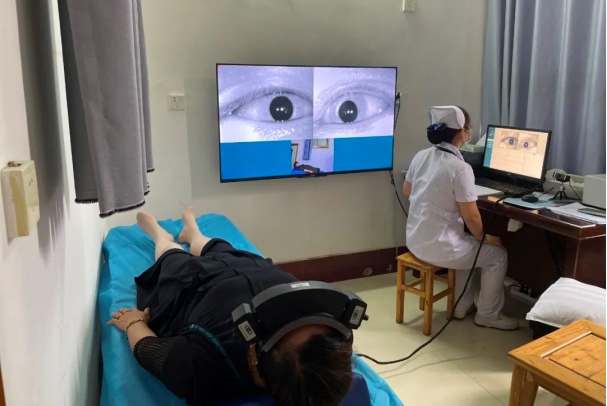
Includes tests such as VNG, Dix-Hallpike, Audiometry, ENG, VEMP, and MRI when clinically required.
What It Helps With
Expected purpose
Helps identify the possible origin of vertigo, including central causes involving the brain or peripheral causes involving the inner ear.
Suitability
Who it may be for
Essential for patients with chronic, recurrent, or unexplained vertigo symptoms.
Maintenance
Follow-up & care
Tests are usually one-time investigations. Further management and follow-up depend on the diagnosis and response to treatment.
Treatment Options
Available services
The available options may vary depending on your individual requirements and clinical assessment.
Vertigo Clinic
A structured assessment for chronic, recurrent, or unexplained dizziness and balance problems. Clinical findings help determine the appropriate diagnostic pathway.
Vertigo Tests
May include VNG, Dix-Hallpike, Audiometry, ENG, VEMP, and MRI when required. These investigations help distinguish central and peripheral causes of vertigo.